Professions
Army Veteran retirement gifts
Regiment, rank, and the Last Day In A Green — army retirement deserves a gift that knows the uniform it marks.
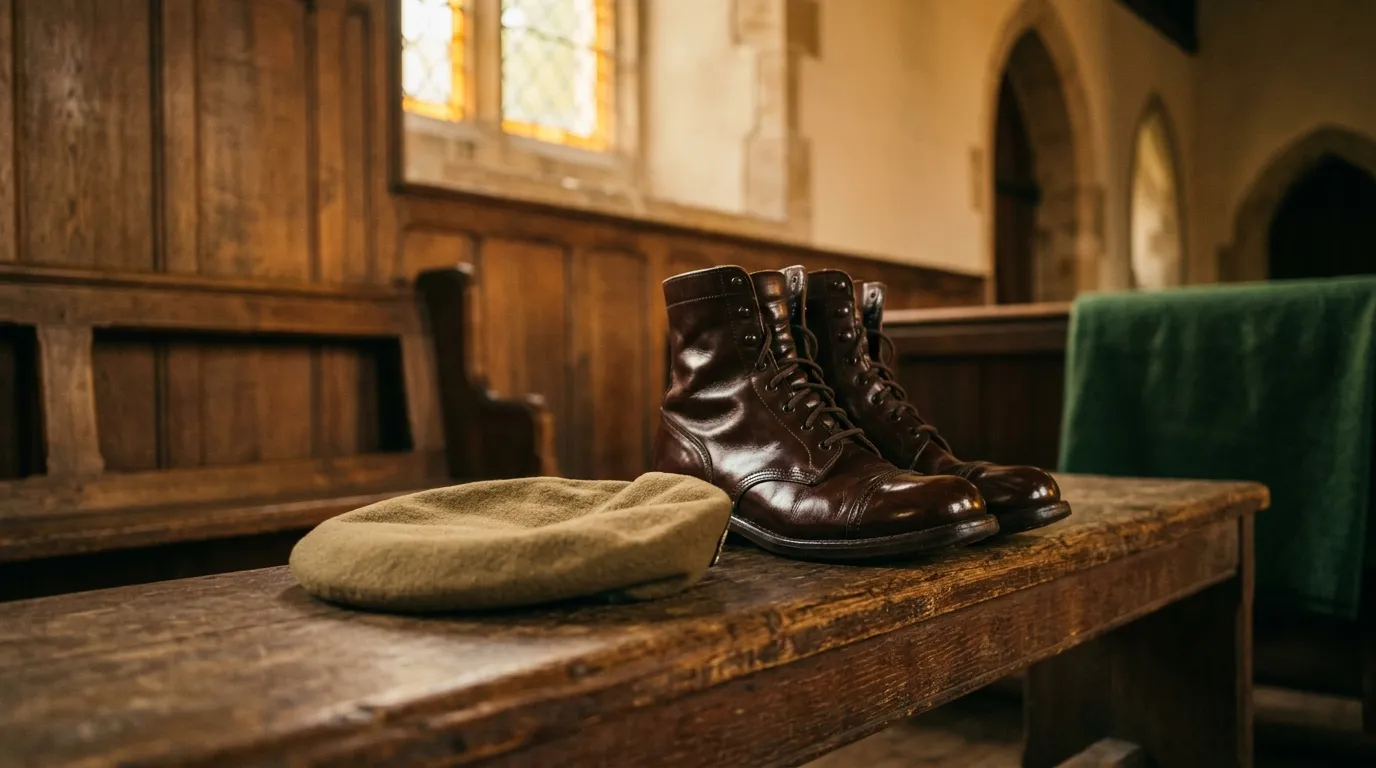
Army retirement carries a tradition of its own. The Last Day In A Green (LIAG) marks the end of a uniformed career that may span combat tours, operational deployments, years of training, and postings across multiple countries. Regiment pride runs deep — the cap badge, the regimental march, the specific camaraderie of the unit are identity markers that persist long after the uniform comes off. Rank matters too: a retiring Warrant Officer Class 1 has a different relationship to the institution than a Lieutenant Colonel, though both have served the Crown for decades and both carry a service history that deserves specific recognition. A personalised retirement print with regiment, rank, and years of service is the serious gift — the one that names the career precisely, not generically. You can also turn a regimental photograph or a deployment image into original art, making the specific service history visible on a wall rather than buried in an album.
Army careers are shaped by the regiment, the postings, and the operational theatre. The leaving gift that gets it right names the regiment correctly — not "British Army" as a catch-all, but the specific regiment with its correct full title — and acknowledges the rank reached and the years given. That specificity is what separates a thoughtful gift from a generic military-themed one. Sibling services include Royal Navy veterans, whose ship community mirrors regimental identity, and RAF veterans, whose squadron culture carries the same service pride. For the veteran in your life, a retirement canvas or print that names the regiment and the career properly is the farewell that matches the career.
More on retirement for retiring army veterans: Armed Forces Pension Schemes — GOV.UK.
Gift picks for a retiring army veteran
- Regiment and service print — Regiment, rank, years of service — a print that records a military career with the precision the army brings to everything it does.
- Regimental legacy canvas — A canvas made from a regimental photograph is the keepsake that belongs on the study wall long after the uniform is folded away.
- Service pride tee — A personalised T-shirt with regiment and service years is the casual piece that lets them carry the pride into civilian life.
A soldier's career, told through cap badge and posting
The British Army is built from regiments and corps, and a soldier's identity attaches to the cap badge long before it attaches to "the Army". A career is read through its postings — Catterick, Bulford, Germany when there was still a British presence, operational tours to Northern Ireland, the Balkans, Iraq, Afghanistan — and through the slow, hard-won climb up the rank structure. For the ranks that is Private to Lance Corporal, Corporal, Sergeant, and the Warrant Officers who run the regiment day to day; for officers it is a separate ladder from Second Lieutenant upward. The two cultures sit side by side and rarely blur. A Regimental Sergeant Major commands a respect that no pip can buy.
Soldiering is also trade and tradition. An infantryman, a sapper, a gunner, a signaller and a REME craftsman have entirely different working lives under the same uniform, and each corps guards its own customs fiercely — the regimental march, the dining-in nights, the freedom-of-the-town parades. By the time a soldier reaches their last day in green, the regiment is family, the medals are a map of where they have been, and the loss of the institution is felt more keenly than the loss of the job.
How to personalise for a retiring soldier without missteps
- Use the full regimental title: "The Rifles", "Royal Regiment of Fusiliers", "Royal Engineers" — abbreviations and nicknames belong to insiders. If unsure, the cap badge or a service record gives the exact name.
- Respect the officer / other-ranks distinction: a Warrant Officer Class 1 and a Major are both senior, but conflating the two reads as not understanding the Army. Get the rank, and the route to it, exactly right.
- Medals and tours are weighty — handle with care: listing operational tours or a campaign medal can be deeply meaningful, but only if accurate. A wrong theatre or a missed deployment lands badly. Verify, or leave it off.
- Regimental motto over a generic line: most regiments have a Latin or English motto the soldier knows by heart. A short, correct motto outperforms any stock "thank you for your service" wording.
- "Veteran", not "ex-Army": tone matters in this community. Frame the gift around pride in service and the regiment, not around having left.
Questions
Questions, answered
What makes a good retirement gift for an army veteran?+
Regiment specificity is everything. A gift that names the regiment correctly, acknowledges the rank reached, and records the years of service is far more meaningful than anything generically military. A personalised print or canvas gets those details right.
Can I add their regiment and rank to the gift?+
Yes. You can add regiment name, rank, years of service, operational history, and a personal message. The personalise page lets you build the combination that reflects the specific career.
Is this suitable for all ranks, from private to general?+
Yes. The personalisation works for any rank and any regiment. The care with which you name the regiment and rank correctly is what makes it the right gift at any level of seniority.
From the journal