26 June 2026
Retirement gift etiquette: who gives what, when, and how much
The short version: give to the closeness of the relationship, hand it over at the send-off, and personalise it so it marks the person rather than just the occasion. Everything below is detail.
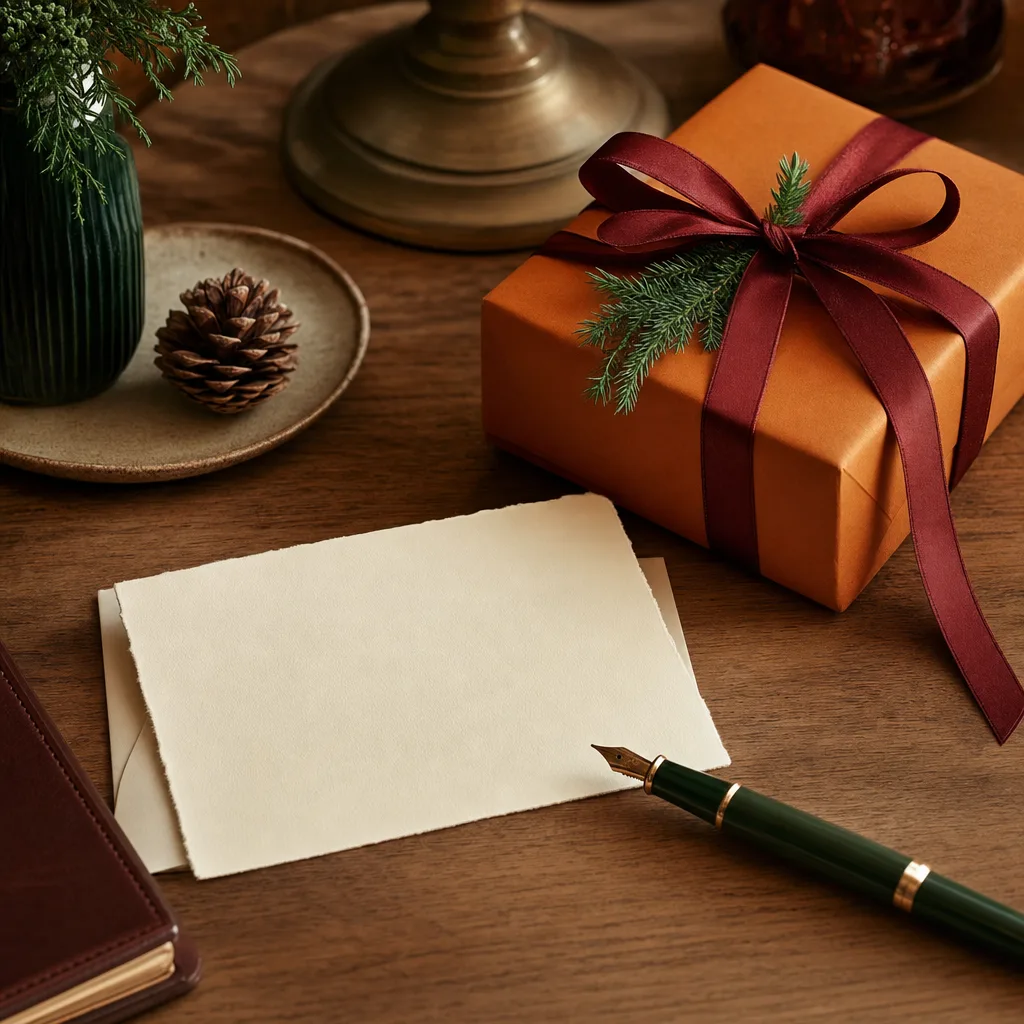
Retirement gifts carry more weight than a birthday present — they close out a working life, sometimes thirty or forty years of it. That makes people anxious about getting the etiquette wrong. It's simpler than it feels.
Who actually gives a retirement gift
Three groups give: the immediate team, close individual colleagues, and family.
- The team or department usually pools into one group gift — a single, better present rather than fifteen small ones. One person organises the collection and buys on everyone's behalf.
- Close colleagues — anyone who worked side by side with the person, or was managed by them — often give something individually as well as contributing to the collection. That's not double-dipping; it's a personal gesture on top of the group one.
- Family give the most personal and usually the most generous gift, frequently the centrepiece the person actually keeps on the wall.
If you barely crossed paths with the retiree, you don't need an individual gift. Adding to the collection is more than enough, and arguably more appropriate.
How much to spend
There's no fixed rule, but UK norms cluster predictably. As a contribution to a group collection, £10–25 is standard. A close colleague giving on their own typically spends £25–75. Family — a spouse, children, grandchildren — tend to spend £75–150 or beyond for a long, significant career, because the gift is marking a milestone, not filling a slot.
The honest principle is to spend to the relationship rather than to a number. We've written a fuller breakdown in how much to spend on a retirement gift, including how to set a sensible target when you're the one running the collection.
When to give it
Timing is the part people overthink. Give the gift at the leaving do, or on the person's last working day if there isn't one. If the send-off is a lunch or an after-work drink, that's the moment — bring the card round for signatures a few days beforehand so nobody's scrambling.
The one practical trap: lead time. Anything personalised or made to order needs to be ordered well ahead. A personalised print or a framed canvas is produced specifically for that person and dispatched within a few working days, so order at least a week before the send-off to leave room for production and delivery. If you've left it late, a digital download arrives by email the same day and can be printed locally — a genuine save.
What makes a gift land (and what doesn't)
The gifts that get kept are specific to the person. A present that names them, marks their years of service, or nods to the career they're leaving does the emotional work that a generic "Happy Retirement" item can't. That's why a personalised retirement print — their name, their retirement date, their years served — tends to outlast a bottle and a box of chocolates.
Match the tone to the person, too. Some retirees would love something warm and sincere; others would far rather laugh. If they're the joker of the office, a funny retirement gift suits them better than something solemn — and you can pair a humorous card with a heartfelt keepsake to get both registers. For a portrait of a place, pet, or photo that means something to them, a canvas made from their own image at /create/ is hard to beat.
Etiquette by relationship
- For a colleague: contribute to the collection; add a small individual gift only if you were genuinely close. See gifts for a colleague.
- For your boss or manager: keep it tasteful and not over-familiar — a quality print or framed piece, signed by the team, reads better than anything too personal. See gifts for a boss.
- For family: this is where the personal, keepable centrepiece belongs — a framed canvas or a bespoke print that will go on the wall at home.
The card matters as much as the gift
A signed card with a thoughtful line outlasts most presents in memory. If you freeze at the blank card, our guide on what to write in a retirement card has openers and examples for every relationship — from one line to a full paragraph.
The one-minute version
Give to the relationship. Pool into one good group gift if you're a wider team; add a personal touch if you were close. Hand it over at the send-off, order anything personalised a week ahead, and make it specific to the person. Get those right and the etiquette takes care of itself.
Frequently asked
Who should give a retirement gift?+
Close colleagues, the immediate team, and family usually give a gift. A wider department or office more often contributes to a single group gift rather than everyone buying separately. If you worked closely with the person or they line-managed you, an individual gift is appropriate; if you barely overlapped, contributing to the collection is plenty.
How much should you spend on a retirement gift?+
As a rough UK guide: £10–25 as a contribution to a group collection, £25–75 for a close colleague giving individually, and £75–150 or more from family or a spouse for a significant career. Spend to the relationship, not to a rule.
When should a retirement gift be given?+
Give it at the leaving do or on the person's last working day, whichever comes first. If there's no formal send-off, the last day in the office is the natural moment. Order anything personalised at least a week ahead so production and delivery don't run late.